

PID Temperature Control: Temperature Controller vs PLC – Which Is Better?

Many beginners in industrial control, heat treatment, and industrial furnaces often ask: For PID temperature control, is it better to use a dedicated temperature controller or a PLC + analog module?
This article explains it clearly in plain language.
Both Can Do PID, But They Have Different Roles
Temperature Controller: Built exclusively for temperature control, with highly optimized hardware and algorithms.
PLC: A general-purpose controller that handles multiple tasks, with temperature control as just one function.There is no absolute "better" choice-only which fits your application better.
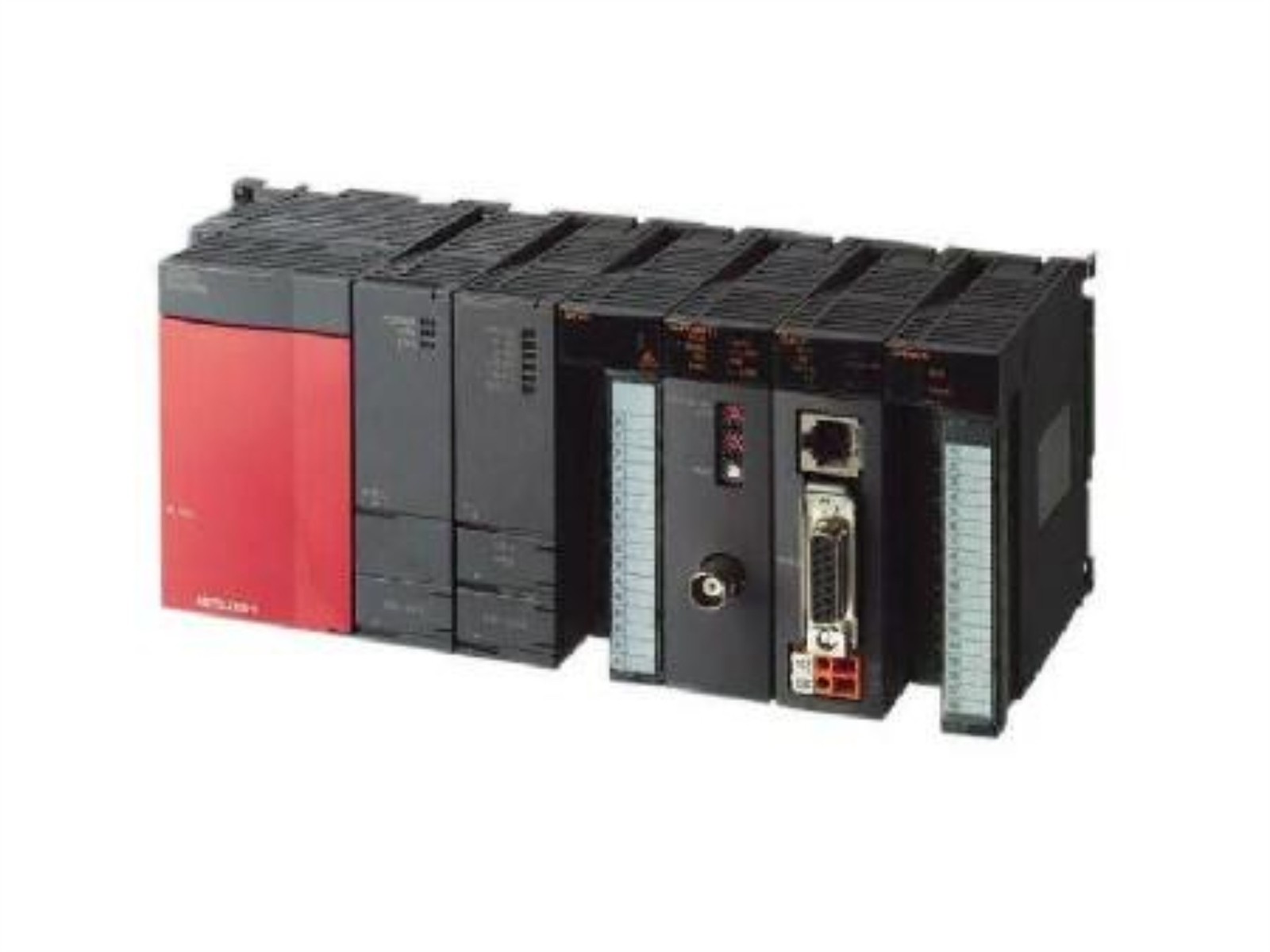
Advantages & Disadvantages of a Dedicated Temperature Controller
Advantages
Professional PID algorithm: Optimized for temperature, high precision, small overshoot, strong anti-interference.
Easy wiring & operation: Direct thermocouple/RTD input, no programming needed.
Lower cost: Much cheaper than a PLC system.
Strong anti-interference: Industrial isolation, stable in high-current furnace environments.
Intuitive operation: Set and view values directly on the panel.
Disadvantages
Single function: Only for temperature control; cannot handle logic, motion, or complex networking.
Advantages & Disadvantages of PLC + PID
Advantages
All-in-one control: Controls temperature, motors, cylinders, conveyors, recipes, and data logging.
High scalability: Supports HMI, MES, cloud, and multi-device linkage.
Handles complex processes: Multi-segment curves, multi-zone synchronization, interlock protection.
Disadvantages
Higher cost: PLC + modules + programming cost several times more.
Requires professional programming.
Temperature control accuracy is slightly lower than dedicated controllers, especially for high-precision applications.
Practical Selection Guide
Only temperature control, few points, limited budget, on-site operation → Use Temperature Controller
Multi-device linkage, recipes, data recording, HMI/cloud connection → Use PLC
High precision + automation → The most popular solution: PLC + Dedicated Temperature Controller
Summary
For accuracy, simplicity, cost efficiency → Choose Temperature Controller
For automation, intelligence, networking → Choose PLCFor industrial furnaces, heat treatment, and ovens, dedicated temperature controllers are more stable and accurate.
In short:Let specialized equipment do specialized work. For temperature control, a dedicated controller is most reliable. Use PLC only for complex systems.