

Multifunctional power meters are essential devices in modern electrical systems, offering a wide range of functions that help in monitoring, analyzing, and managing electrical power effectively. As a leading supplier of multifunctional power meters, we understand the importance of these devices in various applications, from industrial plants to commercial buildings and residential settings. In this blog post, we will explore the main functions of multifunctional power meters and how they can benefit your electrical systems.
Measurement of Electrical Parameters
One of the primary functions of multifunctional power meters is to measure various electrical parameters accurately. These parameters include voltage, current, power, energy, frequency, and power factor. By providing real-time data on these parameters, multifunctional power meters enable users to monitor the performance of their electrical systems and identify any potential issues or inefficiencies.
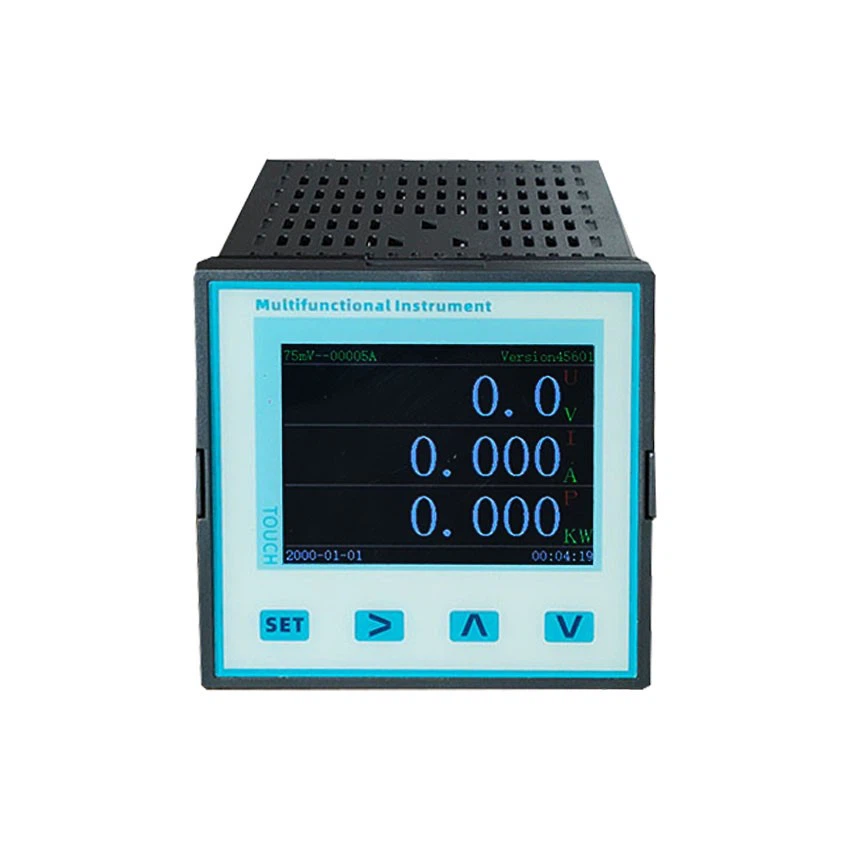
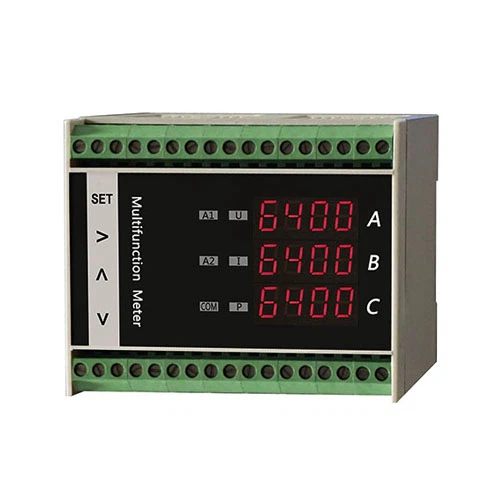
- Voltage Measurement: Multifunctional power meters can measure the voltage of an electrical system at different points, allowing users to ensure that the voltage is within the acceptable range. This is crucial for protecting electrical equipment from damage caused by overvoltage or undervoltage conditions.
- Current Measurement: Measuring the current flowing through an electrical circuit is essential for determining the load on the system and ensuring that the electrical equipment is operating within its rated capacity. Multifunctional power meters can measure both AC and DC currents accurately.
- Power Measurement: Power is the rate at which electrical energy is consumed or produced. Multifunctional power meters can measure active power (the power used to do useful work), reactive power (the power required to maintain the magnetic fields in inductive loads), and apparent power (the total power supplied to the circuit).
- Energy Measurement: Energy is the total amount of electrical power consumed over a period of time. Multifunctional power meters can measure both active and reactive energy, allowing users to track their energy consumption and calculate their electricity bills accurately.
- Frequency Measurement: The frequency of an electrical system is the number of cycles per second of the alternating current. Multifunctional power meters can measure the frequency of the electrical supply and ensure that it is stable within the acceptable range.
- Power Factor Measurement: Power factor is a measure of how effectively electrical power is being used in a circuit. A low power factor indicates that a significant amount of power is being wasted in the form of reactive power. Multifunctional power meters can measure the power factor and provide information on how to improve it.
Monitoring and Analysis
In addition to measuring electrical parameters, multifunctional power meters can also monitor and analyze the performance of electrical systems over time. This helps users to identify trends, detect anomalies, and take proactive measures to optimize the operation of their electrical systems.
- Data Logging: Multifunctional power meters can store historical data on electrical parameters, such as voltage, current, power, and energy, over a period of time. This data can be retrieved and analyzed later to identify patterns and trends in the system's performance.
- Event Recording: Multifunctional power meters can record events such as voltage sags, swells, interruptions, and overcurrents. This information can be used to diagnose problems in the electrical system and take corrective actions to prevent future failures.
- Harmonic Analysis: Harmonics are unwanted frequencies that can distort the waveform of an electrical signal and cause problems in electrical equipment. Multifunctional power meters can analyze the harmonic content of the electrical supply and provide information on the levels of harmonics present in the system.
- Load Profiling: Load profiling involves analyzing the pattern of electrical load consumption over time. Multifunctional power meters can provide load profiles that show how the electrical load varies throughout the day, week, or month. This information can be used to optimize the operation of electrical equipment and reduce energy costs.
Protection and Control
Multifunctional power meters can also provide protection and control functions for electrical systems. These functions help to prevent damage to electrical equipment and ensure the safety of personnel.
- Overcurrent Protection: Multifunctional power meters can detect overcurrents in an electrical circuit and trip the circuit breaker to protect the equipment from damage.
- Overvoltage and Undervoltage Protection: Multifunctional power meters can monitor the voltage of an electrical system and trip the circuit breaker if the voltage exceeds or falls below the acceptable range.
- Earth Fault Protection: Earth fault protection is designed to detect and protect against electrical faults that occur when a live conductor comes into contact with the earth. Multifunctional power meters can detect earth faults and trip the circuit breaker to prevent electric shock and fire hazards.
- Remote Control and Monitoring: Many multifunctional power meters are equipped with communication interfaces that allow them to be connected to a network for remote control and monitoring. This enables users to monitor the performance of their electrical systems from a central location and take corrective actions as needed.
Communication and Integration
Multifunctional power meters can communicate with other devices and systems using various communication protocols, such as Modbus, Profibus, Ethernet, and wireless communication. This allows them to be integrated into larger electrical management systems and provide valuable data for decision-making.
- Data Transmission: Multifunctional power meters can transmit the measured electrical parameters and other data to a central monitoring system or a cloud-based platform. This data can be accessed by authorized personnel from anywhere in the world using a computer or a mobile device.
- System Integration: Multifunctional power meters can be integrated with other electrical devices, such as circuit breakers, relays, and energy management systems, to form a comprehensive electrical management solution. This integration allows for seamless control and monitoring of the electrical system.
- Smart Grid Integration: Multifunctional power meters play a crucial role in the integration of electrical systems with the smart grid. They can provide real-time data on electrical consumption and generation, which can be used by the grid operator to optimize the distribution of electricity and manage the demand-supply balance.
Our Product Range
As a supplier of multifunctional power meters, we offer a wide range of products to meet the diverse needs of our customers. Our product range includes 3PH DIN Rail Mounting Multifunctional Meter, Single-phase Multifunction Meter, and True RMS Multifunctional Meter with Communication. These meters are designed to provide accurate and reliable measurement of electrical parameters, as well as advanced monitoring, analysis, protection, and control functions.
Conclusion
Multifunctional power meters are versatile devices that offer a wide range of functions for monitoring, analyzing, and managing electrical power. By providing real-time data on electrical parameters, monitoring the performance of electrical systems over time, providing protection and control functions, and enabling communication and integration with other devices and systems, multifunctional power meters can help users to optimize the operation of their electrical systems, reduce energy costs, and improve the reliability and safety of their electrical equipment.
If you are interested in learning more about our multifunctional power meters or would like to discuss your specific requirements, please feel free to contact us. Our team of experts will be happy to assist you in selecting the right product for your application and providing you with the necessary support and guidance.
References
- IEEE Standard for Electric Power Systems Definitions, IEEE Std 100-2000.
- International Electrotechnical Commission (IEC) standards for electrical measuring instruments.
- Power Quality Handbook, by Roger C. Dugan, Mark F. McGranaghan, and Surya Santoso.