

As a supplier of Dual - Master Outputs Temperature Controllers, I am often asked whether these controllers can be used in industrial applications. In this blog, I will delve into the capabilities of Dual - Master Outputs Temperature Controllers and explore their suitability for various industrial settings.
Understanding Dual - Master Outputs Temperature Controllers
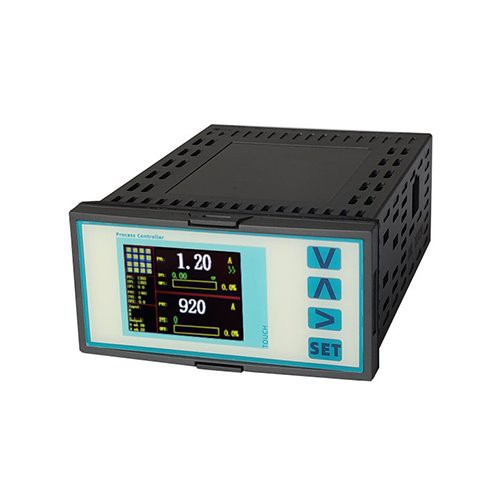
A Dual - Master Outputs Temperature Controller is a sophisticated device designed to manage and regulate temperature with a high degree of precision. It features two independent output channels, which can be configured to control different aspects of a temperature - related process. This dual - output functionality provides greater flexibility and control compared to single - output controllers.
The controller typically uses advanced algorithms to maintain the desired temperature within a specified range. It can receive input from temperature sensors, such as thermocouples or resistance temperature detectors (RTDs), and adjust the output signals accordingly. The two master outputs can be used to control different heating or cooling elements, or to manage multiple zones within a system.
Advantages in Industrial Applications
1. Precise Temperature Control
In industrial processes, precise temperature control is often crucial. For example, in the pharmaceutical industry, maintaining a specific temperature during the manufacturing of drugs is essential to ensure product quality and safety. A Dual - Master Outputs Temperature Controller can provide accurate and stable temperature control, reducing the risk of product defects and ensuring consistent quality.
2. Flexibility in Process Management
The dual - output feature allows for greater flexibility in managing complex industrial processes. For instance, in a chemical manufacturing plant, different stages of a reaction may require different temperature profiles. The controller can be programmed to control two separate heating or cooling systems, enabling precise management of each stage of the process.
3. Energy Efficiency
By providing precise control over temperature, Dual - Master Outputs Temperature Controllers can help reduce energy consumption. In industries where large amounts of energy are used for heating or cooling, such as the food processing industry, this can result in significant cost savings. The controller can optimize the operation of heating and cooling equipment, ensuring that energy is used efficiently.
4. Compatibility with Various Sensors
These controllers are compatible with a wide range of temperature sensors, including Thermal Resistance Input Temperature Controller. This allows them to be integrated into existing industrial systems with ease, making them a versatile solution for different applications.
Specific Industrial Use Cases
1. Heat Treatment
In the heat treatment industry, precise temperature control is essential for achieving the desired material properties. A Dual - Master Outputs Temperature Controller can be used to control the heating and cooling cycles of a furnace, ensuring that the metal is heated and cooled at the correct rates. This helps to improve the strength, hardness, and other properties of the metal.

2. Plastics Processing
In plastics processing, maintaining a consistent temperature is crucial for producing high - quality products. The controller can be used to control the temperature of the extruder, injection molding machine, or other processing equipment. This helps to prevent issues such as warping, cracking, and poor surface finish.
3. Food and Beverage Industry
In the food and beverage industry, temperature control is critical for food safety and quality. The controller can be used to control the temperature of storage facilities, processing equipment, and cooking processes. For example, in a bakery, it can be used to control the temperature of the oven, ensuring that the bread is baked at the correct temperature.
Considerations for Industrial Use
While Dual - Master Outputs Temperature Controllers offer many advantages in industrial applications, there are also some considerations to keep in mind.
1. System Complexity
Implementing a Dual - Master Outputs Temperature Controller may require a certain level of technical expertise. The controller needs to be properly configured and integrated into the existing industrial system. This may involve programming the controller, connecting the sensors and output devices, and ensuring that the system is functioning correctly.
2. Cost
Compared to single - output temperature controllers, Dual - Master Outputs Temperature Controllers may be more expensive. However, the benefits of precise temperature control, flexibility, and energy efficiency often outweigh the additional cost in the long run.
3. Maintenance
Regular maintenance is required to ensure the proper functioning of the controller. This includes checking the sensors, calibrating the controller, and replacing any faulty components.
Other Related Products
In addition to Dual - Master Outputs Temperature Controllers, there are other related products that can be used in industrial applications. For example, the Dual - Loop Controller Of Carbon Potential and Temperature is designed to control both carbon potential and temperature in a heat treatment process. This can be useful in industries where carbon content is an important factor in the material properties.
Another product is the 24 Segment Curves Industrial Process Controller, which allows for more complex temperature profiles to be programmed. This can be used in applications where the temperature needs to be changed in a specific pattern over time.
Conclusion
Dual - Master Outputs Temperature Controllers are highly suitable for a wide range of industrial applications. Their ability to provide precise temperature control, flexibility in process management, and energy efficiency make them a valuable tool in many industries. However, it is important to consider the system complexity, cost, and maintenance requirements when implementing these controllers.
If you are interested in learning more about Dual - Master Outputs Temperature Controllers or other related products, please feel free to contact us for further discussion and procurement. We are committed to providing high - quality products and excellent customer service to meet your industrial temperature control needs.
References
- Principles of Temperature Control in Industrial Processes. (2020). Industrial Control Journal.
- Advanced Temperature Controller Technologies for Industrial Applications. (2021). Process Engineering Review.